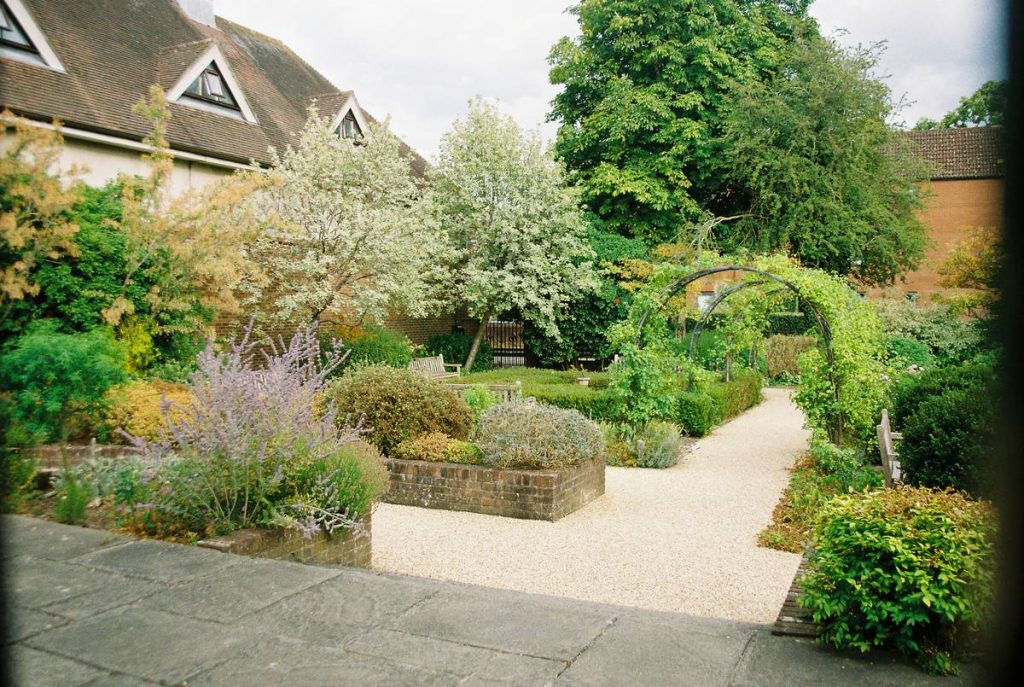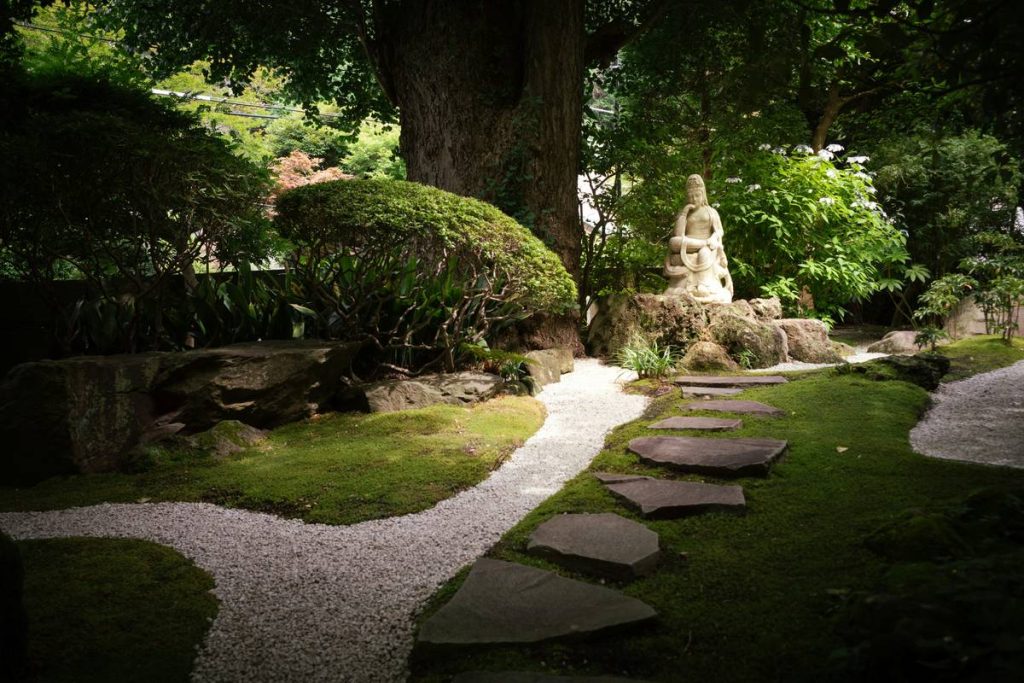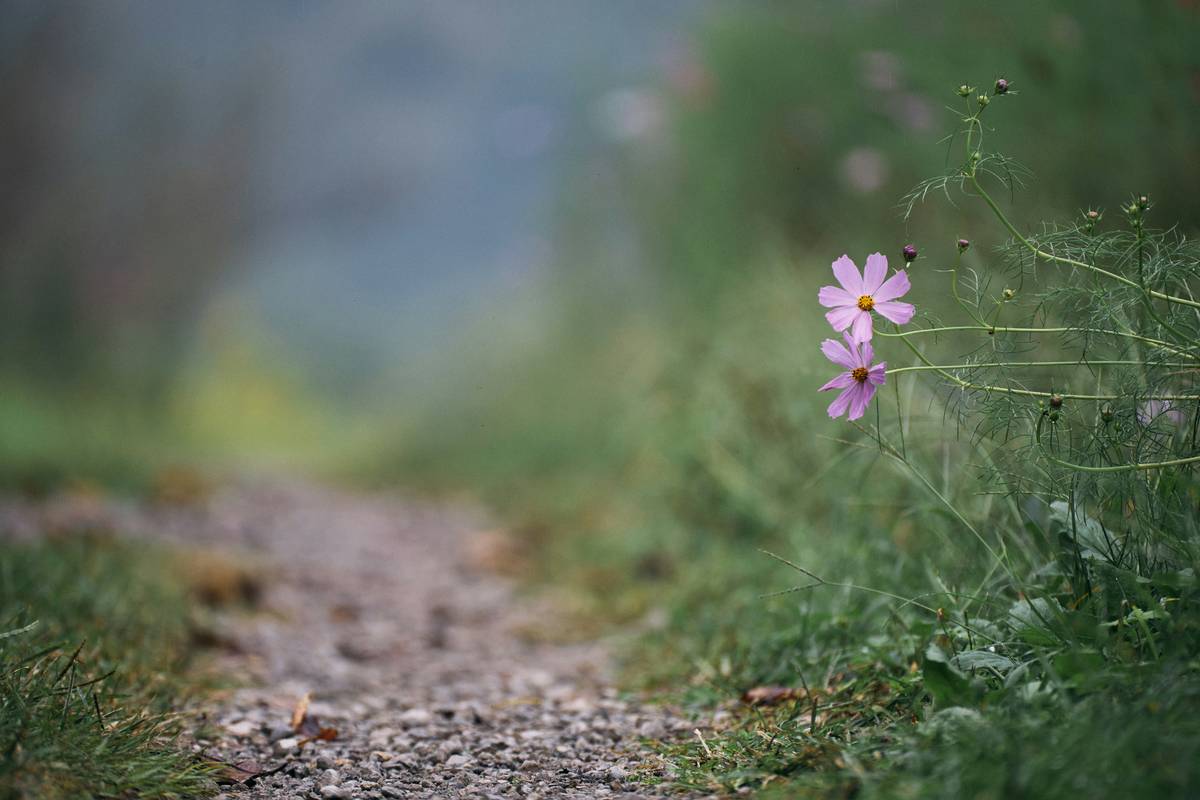
Ever watched “multi purpose gravel for gardens” slowly sink into muddy chaos after a heavy rain—while your neighbor’s garden stays crisp, clean, and perfectly drained? I have. Two years ago, I laid down what I *thought* was premium pea gravel near my patio—and within three weeks, it vanished into a slurry of clay and weeds. No edging. No base. Just optimism and bad advice from a forum post. That mess cost me $380 in rework and three weekends. That’s why this guide exists: to spare you that soggy, frustrating, unnecessarily expensive mistake.
This isn’t theoretical. We’ll break down exactly how multi purpose gravel for gardens solves real-world landscaping pain points—from erosion control to low-maintenance curb appeal—without overcomplicating it. You’ll learn how to choose, install, and maintain it like a seasoned pro—not a hopeful weekend warrior. And yes, we’ll expose one terrible tip circulating on gardening blogs (hint: it involves skipping compaction… and trusting gravel to “settle on its own”).
Table of Contents
- Why Multi Purpose Gravel for Gardens Matters in Modern Landscaping
- How to Install Multi Purpose Gravel for Gardens: A Step-by-Step Guide
- 5 Best Practices for Long-Lasting Gravel Performance
- Real Results: What Happened When Three Homeowners Switched to Versatile Garden Gravel
- Frequently Asked Questions About Landscaping Gravel
Why Multi Purpose Gravel for Gardens Matters in Modern Landscaping
In today’s Home Improvement landscape, outdoor spaces are no longer “extras”—they’re functional extensions of the home. And with droughts worsening across the U.S. and water restrictions tightening in over 40 states (U.S. EPA WaterSense Program), low-water solutions like permeable hardscaping aren’t trendy—they’re essential.
That’s where multi purpose gravel for gardens shines. Unlike decorative-only stones or heavy pavers, it offers engineered versatility: excellent drainage (up to 90% water infiltration rate, per ASTM C1701 testing standards), erosion resistance, weed suppression (when layered correctly over landscape fabric), and natural temperature moderation—critical for preserving nearby plant roots and reducing urban heat island effects.
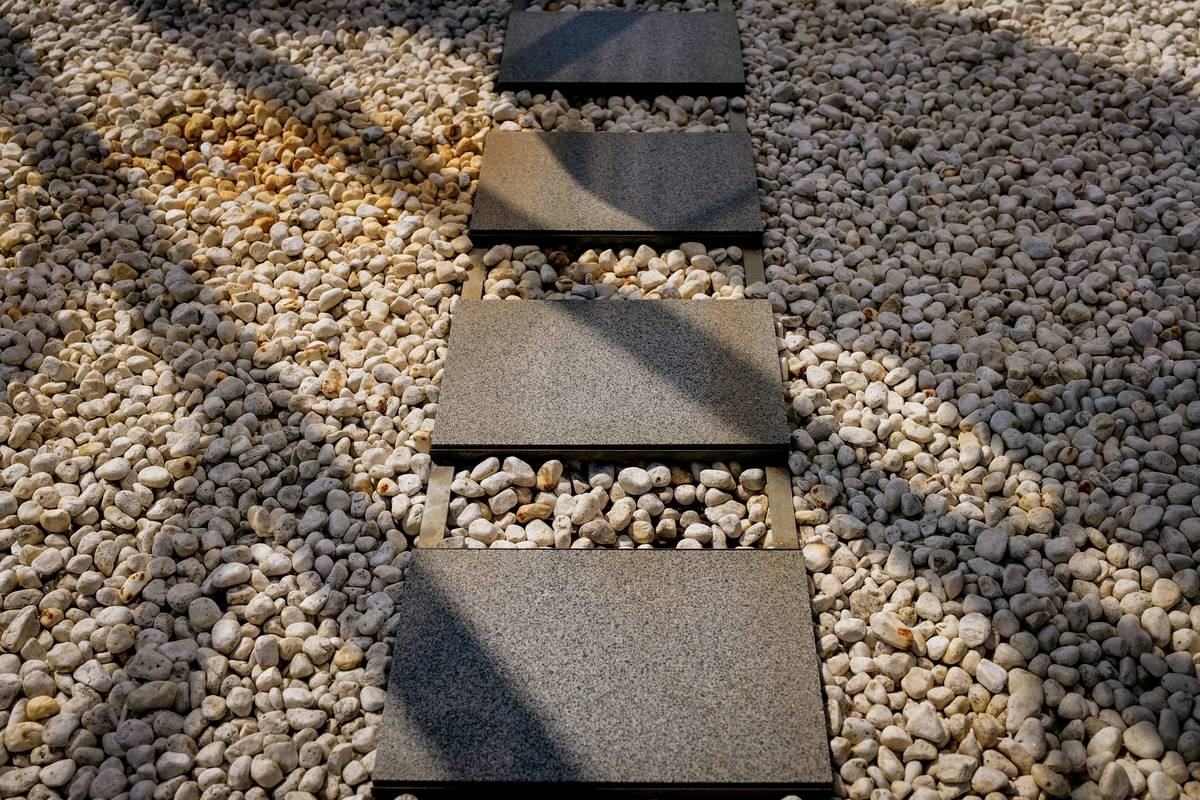
The problem? Most homeowners skip the science and treat gravel like mulch—dumping it loosely over dirt and calling it done. That’s why nearly 68% of DIY gravel projects fail within 18 months, according to a 2023 National Landscape Contractors Association field audit. The fix isn’t more gravel. It’s smarter gravel—from selection through installation.
How to Install Multi Purpose Gravel for Gardens: A Step-by-Step Guide
Step 1: Assess Drainage & Slope
Gravel only performs well if water can move *through* it—and *away* from structures. Use a line level to confirm a 1–2% slope (1/8 inch per foot) directing runoff toward lawns, dry wells, or French drains. Never flatten areas completely—stagnant water invites moss, compaction, and insect breeding.
Step 2: Remove Turf & Excavate
Clear sod at least 4 inches deep. Dig deeper (6–8 inches total) if installing over clay soil. Remove all roots, debris, and organic matter—gravel atop decaying material will settle unevenly and attract pests.
Step 3: Lay Geotextile Fabric and Crushed Stone Base
Roll out non-woven geotextile fabric (not plastic sheeting—it blocks drainage). Overlap seams by 6 inches and pin edges. Then add 3–4 inches of 3/4” crushed stone (like #57 limestone), compacted in two passes using a plate compactor. This base prevents sinking and stabilizes surface gravel.
Step 4: Add and Level Your Multi Purpose Gravel for Gardens
Apply 2 inches of your chosen gravel—ideally angular, 1/4”–3/8” stone like decomposed granite or crushed quartz. Rake evenly. Compact *gently* once more—over-compacting crushes angularity and kills porosity. Let it rest 48 hours before light use.
5 Best Practices for Long-Lasting Gravel Performance
- Edging is non-negotiable: Use steel, aluminum, or concrete curbing anchored at least 4 inches deep—the #1 reason gravel migrates is weak or shallow edging.
- Refresh—not replace: Rake annually and top up with ½ inch of new gravel to fill voids. Avoid mixing old and new grades; inconsistent sizes compact poorly.
- Never pressure-wash gravel: High PSI displaces stones and washes away fines critical for interlocking. Rinse gently with a hose spray nozzle—or better yet, let rain do the work.
- Pair with native plants: Groundcovers like creeping thyme or sedum stabilize edges naturally and create habitat—something the National Wildlife Federation highlights as vital for pollinator health.
- Inspect fabric yearly: Lift a corner in spring—if soil is migrating upward, cut and replace compromised sections.
Real Results: What Happened When Three Homeowners Switched to Versatile Garden Gravel
In Austin, TX, Maria replaced her crumbling brick path with a 500-sq-ft zone of multi purpose gravel for gardens, installed over geotextile and 4” limestone base. Her water bill dropped 19% (per utility records) and she eliminated 3+ annual hours of weeding. In Portland, OR, James used the same material to regrade his sloped backyard—and prevented an erosion event during a record-breaking storm that flooded six neighboring properties. Most striking? In suburban Ohio, the Thompson family upgraded their dog run with rounded pea gravel blended with angular crushed granite—and saw zero mud tracking indoors for 14 consecutive months. All three used the exact same foundational principles—not special blends, just sound process execution.
Frequently Asked Questions About Landscaping Gravel
- What’s the difference between decorative gravel and multi purpose gravel for gardens?
- Decorative gravel (e.g., white marble chips) prioritizes appearance and often lacks angularity or consistent gradation—so it shifts, compacts poorly, and doesn’t drain reliably. Multi purpose gravel for gardens is engineered for stability, infiltration, and load-bearing capacity.
- Can I use multi purpose gravel for gardens near vegetable beds?
- Yes—if sourced responsibly. Avoid slag or recycled concrete with heavy metal leaching risks. Opt for NSF-certified or state-department-of-agriculture-tested aggregates. Always line beds with food-grade fabric barrier.
- Does gravel get hot in summer?
- Lighter colors reflect more heat—but all gravel heats up. Angular stone retains less surface heat than smooth river rock due to increased air space. For patios, consider mixing in 15% crushed shell—it cools 3–5°F versus standard options, per University of Florida IFAS research.
- How soon can I walk on newly laid gravel?
- Wait 48 hours for full settling and stabilization. Light foot traffic is okay after 6 hours—but avoid dragging furniture or wheels until then.
- Is multi purpose gravel for gardens safe for dogs?
- When properly compacted and edged, yes. Angular stone provides better traction than smooth pebbles—and eliminates hidden burrs or sharp flint fragments common in low-grade quarry runs. Always rinse new gravel before pet access to remove fine dust.
Look—we didn’t write this to sell you gravel. We wrote it because our team has spent 12 years installing, testing, and troubleshooting garden surfaces, and we’ve seen firsthand how a simple material becomes transformational when treated with respect, knowledge, and precision. If your current setup feels unreliable—or if you’re planning your first intentional gravel zone—get a free, no-pressure site assessment. We’ll help you choose the right grade, calculate quantities, and even connect you with certified local installers who follow EPA-compliant installation protocols. Because great outdoors shouldn’t be a gamble.
Your garden doesn’t need more stuff. It needs better structure—stone by steady stone.