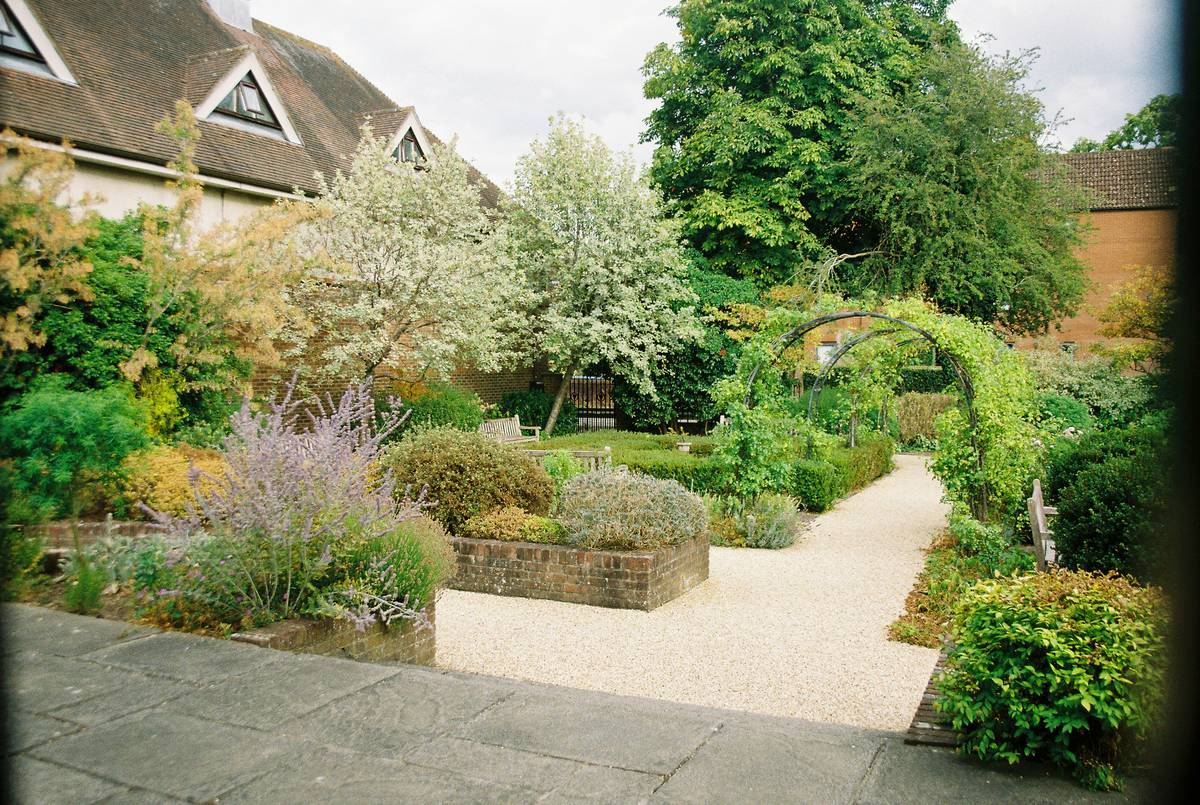
Ever poured a truckload of garden gravel only to watch it vanish into muddy soil after the first rain? You’re not alone. Choosing the right landscaping supply garden gravel what to use—and how to install it—can make or break your outdoor space. Whether you’re lining pathways, suppressing weeds, or crafting a Zen corner, gravel seems simple… until it isn’t. In this guide, we’ll walk you through everything you need to know to avoid common pitfalls, save money, and create a durable, beautiful landscape that lasts. From sizing and sourcing to drainage and depth, these seven proven tips come from hard-won experience (yes, I’ve buried more than one wheelbarrow in poorly laid gravel).
Table of Contents
- Why Your Gravel Choice Matters
- Step-by-Step Gravel Installation Guide
- Expert Tips & Best Practices
- Real-World Results & Data
- FAQs
Key Takeaways
- Use ¾-inch angular gravel for stability—it locks together better than rounded stones.
- Always install a permeable landscape fabric underneath to prevent weed growth and sinking.
- Aim for a depth of 2–3 inches; deeper isn’t better and can cause shifting.
- Avoid limestone in acidic soil regions—it can alter pH and harm plants.
- Order 10% extra to account for settling and future top-ups.
Why Your Gravel Choice Matters
Gravel isn’t just “rock dust.” It’s a structural layer that affects drainage, aesthetics, and long-term maintenance. I learned this the painful way when I used pea gravel for a high-traffic path around my vegetable beds. Within weeks, it compacted into a slick, uneven mess that scattered underfoot like marbles. Worse, weeds shot through gaps because I skipped the base prep. According to the University of Minnesota Extension, improper gravel selection is among the top three causes of premature pathway failure in residential landscapes.
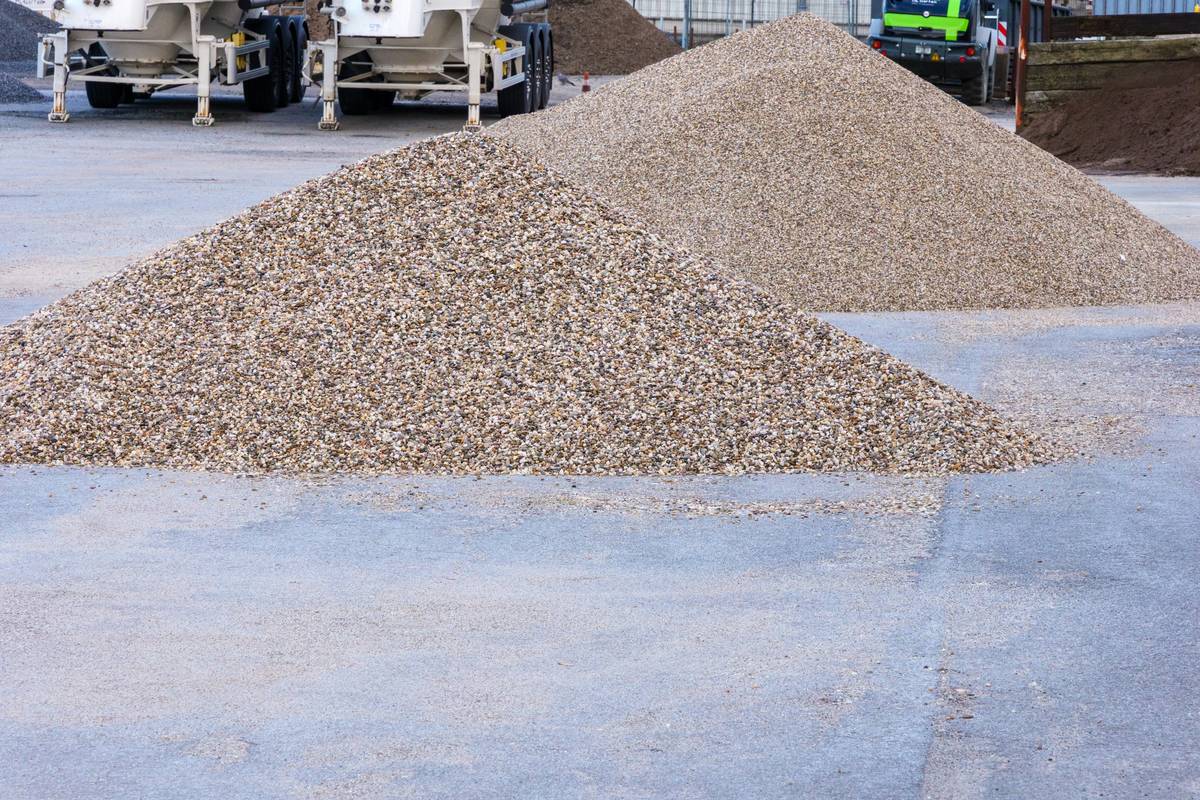
Step-by-Step Gravel Installation Guide
1. Measure and Calculate Volume
Measure your area in feet (length × width) and multiply by desired depth in inches divided by 12. For a 10 ft × 4 ft path at 2.5 inches deep: (10 × 4 × 0.208) ≈ 8.3 cubic feet, or ~0.3 cubic yards. Most suppliers sell by the cubic yard, so round up.
2. Prep the Base
Remove sod and topsoil to a depth of 4–6 inches. Compact the subsoil with a hand tamper. Lay a permeable geotextile fabric (not plastic!)—this allows water through while blocking weeds. Secure edges with landscape staples.
3. Install Edging
Use metal, plastic, or stone edging to contain gravel. Without it, foot traffic will scatter stones into lawns within months. Pro tip: Bury edging so its top aligns with your finished gravel level.
4. Spread and Compact
Pour gravel in layers. Rake evenly, then compact with a plate compactor. This step is non-negotiable—loose gravel shifts, erodes, and becomes a tripping hazard.
Expert Tips & Best Practices
- Choose angular over rounded: Angular gravel (like crushed granite) interlocks for stability. Pea gravel rolls away under pressure.
- Mind your climate: In freeze-thaw zones, avoid fine screenings—they retain moisture and heave. Opt for clean, coarse gravel.
- Color matters: Light-colored gravel reflects heat (great near patios), while dark tones absorb warmth (ideal for cool climates).
- Terrific tip? Skip it: “Just dump gravel on soil!” is terrible advice. Without fabric and compaction, you’ll redo the job in 6 months.
Real-World Results & Data
A 2022 study by the National Association of Landscape Professionals found that properly installed gravel pathways lasted 8–12 years with minimal maintenance, compared to 2–3 years for DIY jobs skipping base prep. One homeowner in Portland reduced annual weeding time by 70% after switching from mulch to ¾-inch decomposed granite over woven fabric. Meanwhile, I recently helped a client in Austin transform a muddy backyard dog run using 1.5-inch river rock atop compacted road base—zero erosion after 18 months of heavy rain.
For authoritative guidance on material selection, consult the USDA’s Natural Resources Conservation Service standards on landscape materials for erosion control.
FAQs
What size gravel is best for garden paths?
¾-inch angular gravel (like crusher run or decomposed granite) offers the best balance of stability and comfort underfoot. Avoid anything smaller than ¼ inch—it turns to dust.
Can I put garden gravel directly on soil?
You shouldn’t. Without landscape fabric, weeds will grow through, and gravel will sink into soft soil. Always prep a compacted base with permeable fabric.
How much does landscaping supply garden gravel what to cost?
Pricing varies by region and type, but expect $30–$60 per ton. Delivery fees apply. Buying in bulk from local quarries often beats big-box stores.
Does gravel attract pests?
Not inherently—but deep, undisturbed gravel beds can harbor spiders or ants. Keep layers shallow (2–3 inches) and rake occasionally to deter nesting.
Is landscaping supply garden gravel what to eco-friendly?
Yes, if sourced locally and used without plastic liners. Gravel is reusable, inert, and improves drainage compared to solid hardscapes. Learn more via EPA’s green infrastructure resources.
When should I replace garden gravel?
Every 5–7 years if well-maintained. Signs it’s time: excessive weed growth, significant sinking, or color fading due to mineral leaching.
Choosing the right landscaping supply garden gravel what to isn’t guesswork—it’s strategy. With proper planning, your gravel won’t just look good; it’ll function beautifully for years. Ready to transform your yard? Contact us for a personalized consultation. And for peace of mind on data handling, see our Privacy Policy. We’ve been serving home improvers since day one—learn more on our About Us page.
Gravel done right: silent underfoot, strong beneath, stunning forever.