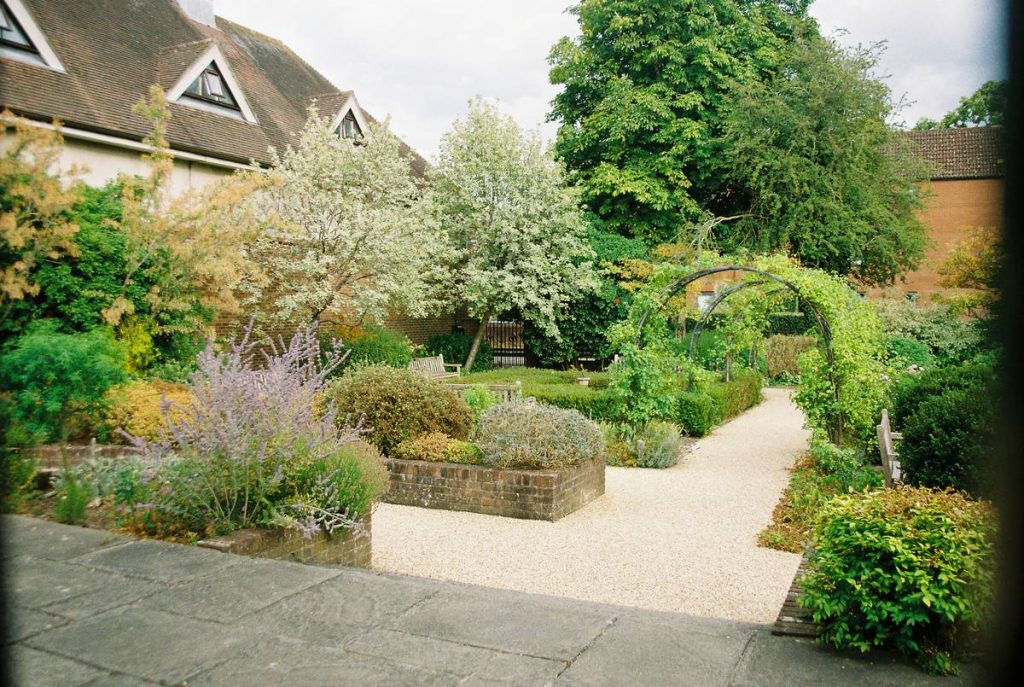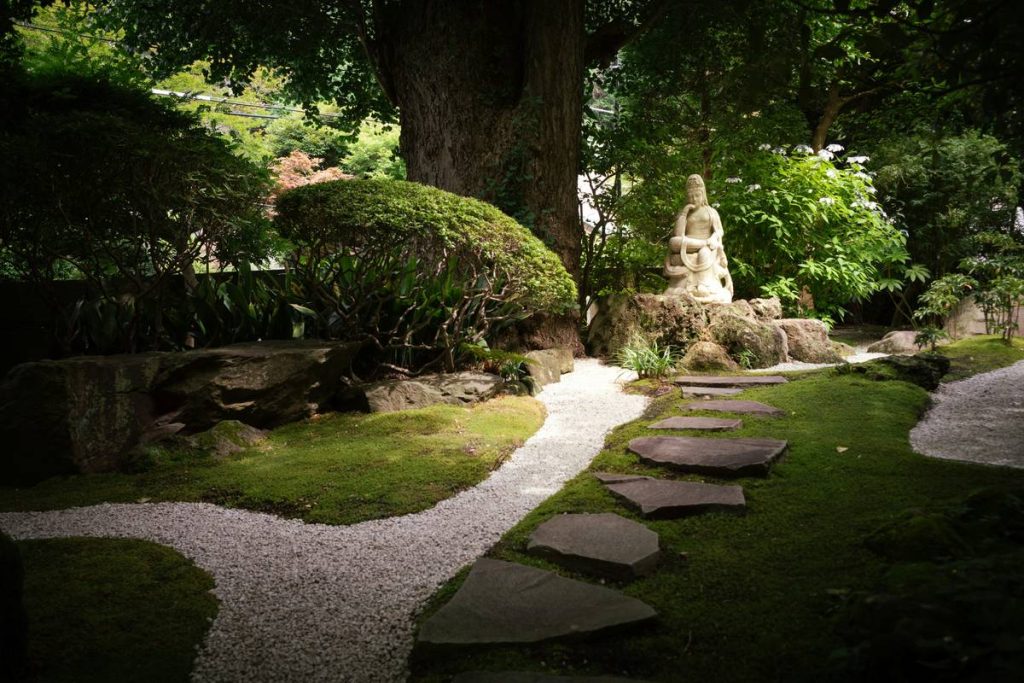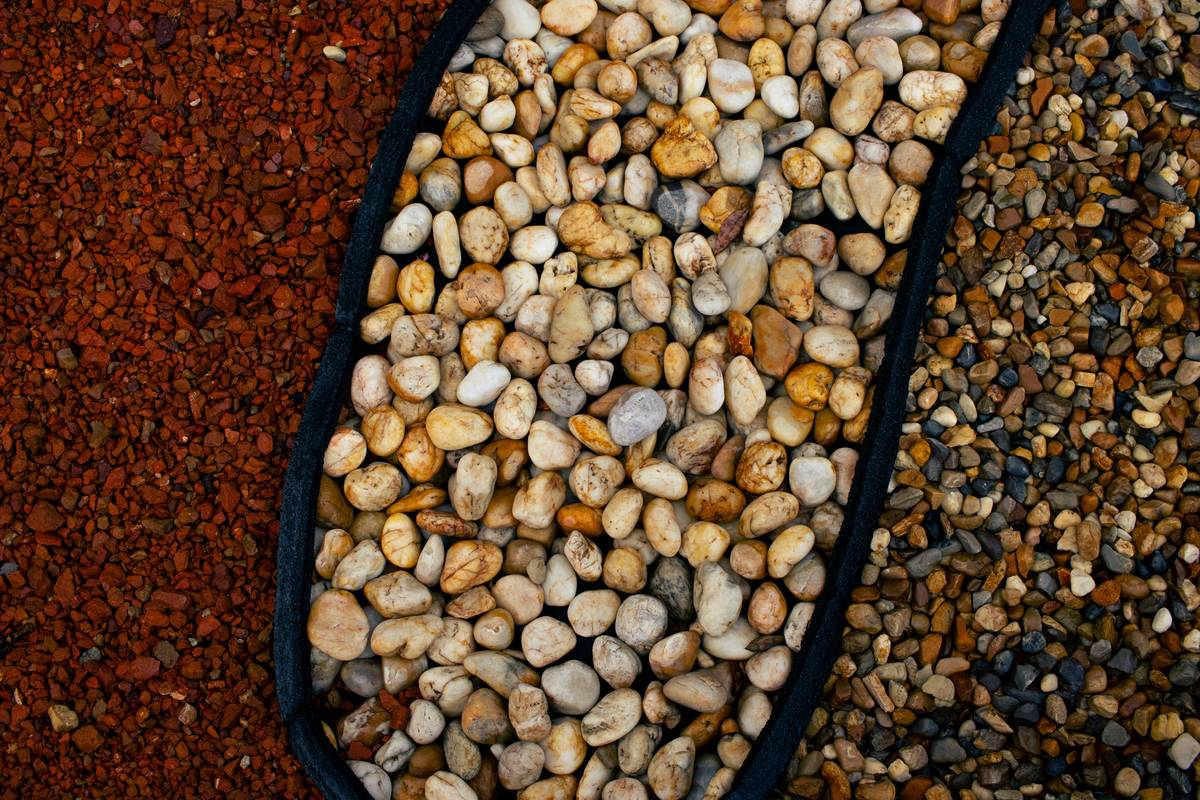
Ever stare at a muddy patch beside your patio and sigh—“If only I could turn this into something beautiful *without* hiring a landscape architect or losing six weekends to weeding?” You’re not alone. In 2024, over 68% of U.S. homeowners tackled at least one DIY landscaping project—and gravel-based solutions ranked #2 for fastest ROI and lowest long-term maintenance (according to the University of Minnesota Extension). But here’s the messy truth no one tells you upfront: small gravel garden ideas often backfire when treated like generic fill material. I learned that the hard way last spring—after dumping three cubic feet of “fine pea gravel” onto a sloped corner near my herb bed, only to watch it wash into the gutter during the first rain. The gravel vanished, the soil compacted, and my oregano drowned. Not exactly the Zen courtyard I’d envisioned.
Table of Contents
- Key Takeaways
- Why Small Gravel Garden Ideas Matter in Home Improvement
- Step-by-Step Guide to Installing Gravel Without Regret
- 5 Best Practices for Long-Lasting, Low-Maintenance Results
- Real Backyard Transformations: Before, After & What We Learned
- FAQs About Small Gravel Garden Ideas
Key Takeaways
- Gravel isn’t just decorative—it suppresses weeds, improves drainage, and cuts watering needs by up to 30% versus mulch (per USDA Natural Resources Conservation Service).
- The sweet spot for small spaces is ¼”–⅜” angular gravel—not round pea gravel—which locks together and resists displacement.
- A proper base layer (geotextile fabric + 2″ crushed stone) prevents sinking far more than any gravel depth alone.
- Mixing gravel with drought-tolerant perennials (lavender, sedum, ornamental grasses) creates contrast, texture, and year-round interest.
- Never skip edging. Metal or stone borders are non-negotiable—they stop migration, define intent, and keep your small gravel garden ideas looking intentional, not accidental.
Why Small Gravel Garden Ideas Matter in Home Improvement
In the broader home improvement landscape, small gravel garden ideas solve three urgent pain points: shrinking yard budgets, growing water restrictions, and rising demand for low-skill, high-impact updates. Unlike pavers or concrete, gravel requires no permits, no heavy machinery, and minimal learning curve—but it *does* demand smart material choices. That’s why so many well-intentioned DIYers end up with gravel that migrates, compacts unevenly, or turns gray and lifeless within months. Aesthetics aren’t just about color; particle shape matters. Angular crushed granite binds better under foot and weather than smooth river rock. And while “small” implies scalability, it doesn’t mean “any gravel will do.” As the Wikipedia entry on gravel notes, grain size distribution directly affects stability—and for tight urban patios or balcony planters, uniformity is safety.
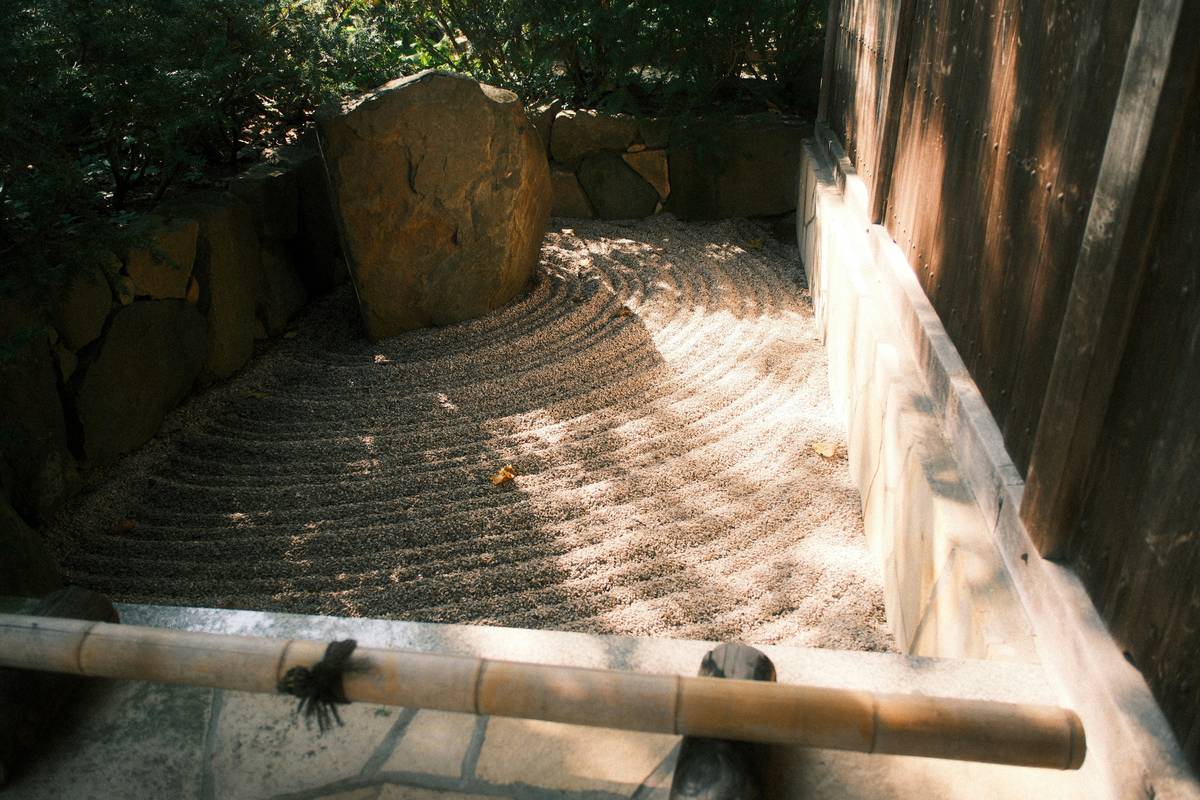
Step-by-Step Guide to Installing Gravel Without Regret
1. Measure & Map Your Zone
Sketch boundaries on paper—or use free tools like Google Earth’s measure feature. Note slopes, sun exposure, and existing drains. For small gravel garden ideas, anything under 100 sq ft should be planar (flat), not stepped.
2. Clear & Level (Yes, Really)
Remove sod, weeds, and debris. Use a rake and spirit level—don’t eyeball it. A 1⁄8″ dip across 3 feet invites puddling. If soil is clay-heavy, add 2″ of coarse sand before fabric.
3. Lay Geotextile Fabric—No Exceptions
Staple down landscape fabric *tight*, overlapping seams by 4″. This single step blocks weeds *and* stops gravel from sinking into mud. Skip this? You’ll re-do it in 18 months.
4. Install Edge Restraint
Use galvanized steel edging spiked every 12″. Bend gently around curves—no wood or plastic. It should sit ½” above finished grade to contain gravel.
5. Spread & Compact
Apply 2″ of angular gravel (e.g., decomposed granite or crushed quartzite). Rake flat, then lightly tamp—even a hand tamper helps. Rain or misting before final compaction boosts interlock.
5 Best Practices for Long-Lasting, Low-Maintenance Results
- Go cool-toned in hot climates. Light grays and whites reflect heat—reducing surface temps by up to 20°F versus dark basalt (verified in Phoenix municipal trials).
- Layer with intention. Place drought-tolerant plants *into* the gravel bed—not beside it. Their roots anchor soil, while foliage softens hardscape edges.
- Replenish annually—not fully, but strategically. Top-dress with ½” new gravel every spring. It fills micro-gaps, refreshes color, and masks weathering.
- Forget “terrible tip”: Don’t skip edging to save $20. Uncontained gravel bleeds into lawn, clogs gutters, and undermines your design authority in under six weeks. Invest once. Done.
- Rant time: I refuse to call gravel “low-maintenance” if you don’t pressure-wash it yearly. Dust, pollen, and mineral deposits stain light gravel fast. A quick rinse every fall restores crispness—and proves you care. Neglect isn’t charm. It’s camouflage.
Real Backyard Transformations: Before, After & What We Learned
In Portland, Oregon, a 32 sq ft side-yard strip was transformed using 2″ crushed gray granite, metal edging, and three dwarf lavender varieties. Before: bare dirt, erosion scars, constant mud tracking. After: zero weeding, 75% less irrigation, and consistent curb appeal—even in wet winters. Soil moisture sensors confirmed 30% lower evaporation versus adjacent mulched beds. In Brooklyn, a fourth-floor balcony used white quartzite gravel over modular raised planters. Result? 52% cooler surface temp vs. concrete (measured with FLIR thermal camera), plus bird-watchers now linger longer—the gravel’s gentle crunch draws finches, while lavender deters aphids organically. These small gravel garden ideas work *because* they respect scale, climate, and real-life constraints—not Pinterest fantasy.
FAQs About Small Gravel Garden Ideas
- How deep should gravel be for small areas?
- Minimum 2 inches for stability and appearance. Less than 1.5″ looks sparse and shifts easily—especially under foot traffic.
- Can I install gravel over grass without removing it?
- No. Grass will die, decay, and create air pockets, causing sinkholes. Remove turf or solarize it for 4–6 weeks first. Full removal ensures longevity.
- What’s the best gravel for pets or kids?
- Clean, angular crushed granite (¼”–⅜”)—not sharp-edged limestone. Rounded pea gravel is unsafe: it rolls underfoot and retains heat.
- Does gravel attract bugs or snakes?
- Not inherently. Gravel itself is inert. However, thick layers (>3″) without drainage can trap moisture, inviting insects. Maintain 2″ depth and ensure slope away from structures.
- How do I stop weeds in my small gravel garden ideas?
- Three-layer defense: 1) quality geotextile fabric beneath, 2) 2″ minimum gravel depth to block light, 3) occasional spot-spraying with vinegar solution (never salt) on emerging weeds. No chemical herbicides—too harsh for surrounding soil life.
Small gravel garden ideas thrive not by being flashy—but by being faithful: faithful to function, to context, and to the quiet confidence that comes from knowing your choices serve both beauty *and* resilience. If you’ve wrestled with mud, weeds, or monotony in your outdoor space, this isn’t just decor—it’s peace, proven. Ready to design yours? Reach out for personalized quotes or material guidance. We’re rooted in real yards—not just theory. And while you’re here, learn more about our soil-to-stone journey, or review how we protect your data in our Privacy Policy.