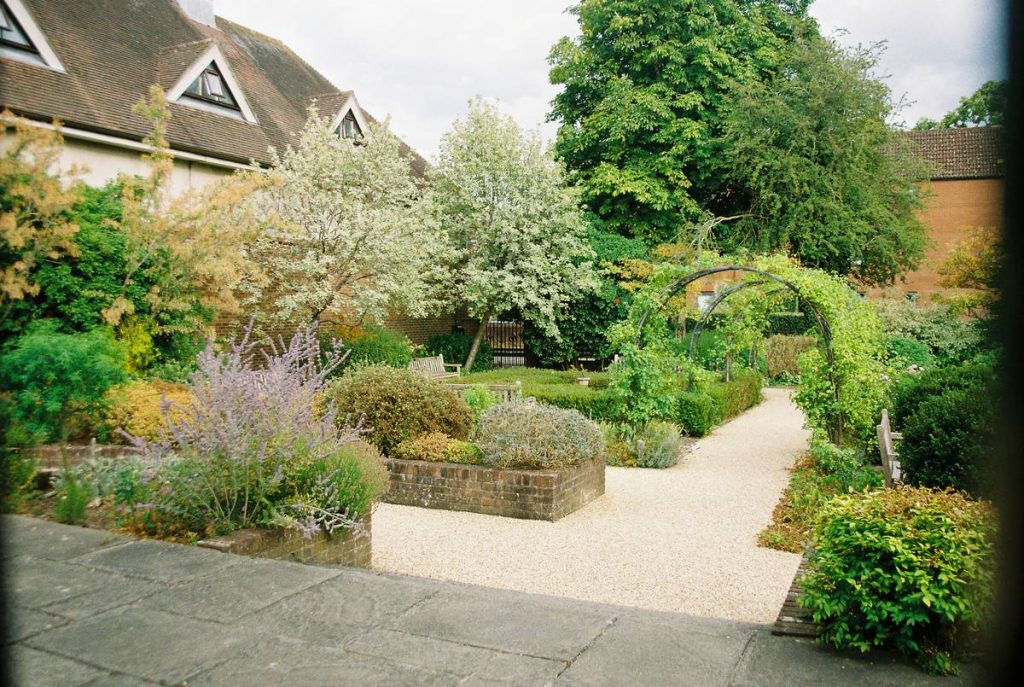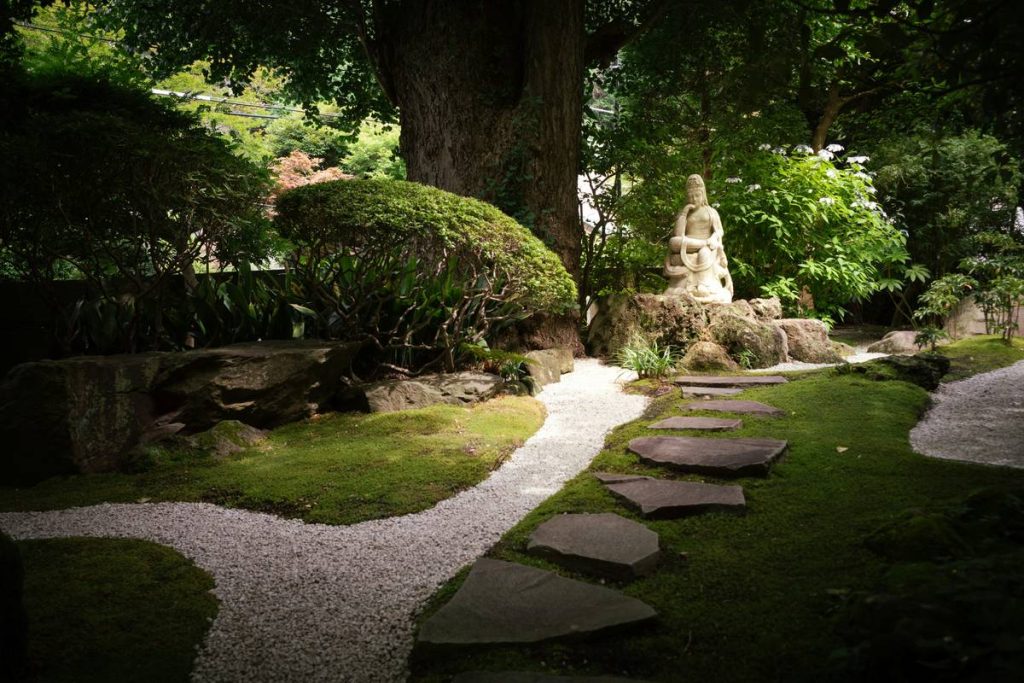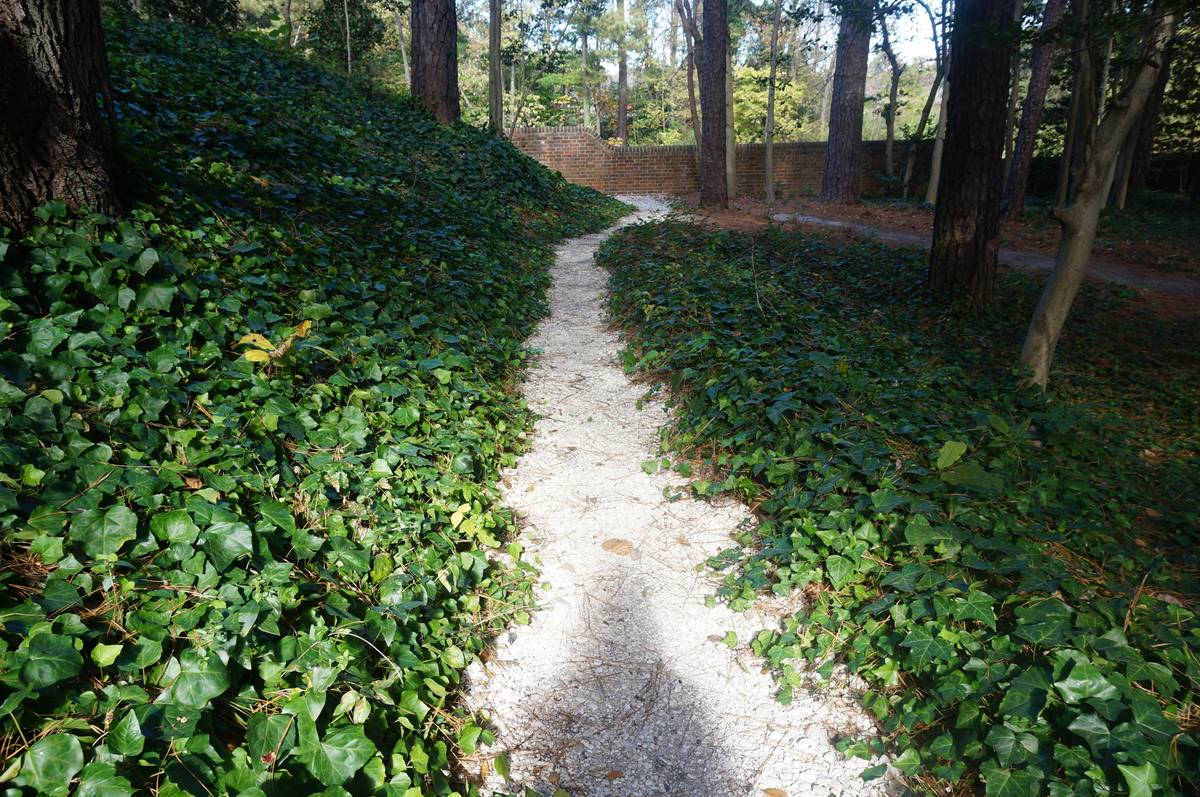
Ever stood in your backyard, staring at a patch of stubborn clay or compacted dirt, wondering how to transform it into something beautiful—without spending weekends hauling topsoil or installing irrigation? You’re not alone. More than 68% of U.S. homeowners with yards under 5,000 sq ft prioritize low-maintenance, drought-resilient landscaping—and gravel is quietly winning that race. As someone who once dumped three tons of pea gravel onto ungraded, clay-heavy soil (only to watch it sink like biscuit crumbs into wet cement after one April shower), I know how tempting simplicity can be—and where it backfires.
This guide delivers simple gravel garden ideas that actually work—grounded in real installation science, not Pinterest fantasy. No “just rake and go” myths. No hidden drainage disasters. We’ll cover what makes gravel both brilliant and treacherous for gardens, walk you through a foolproof build (with sub-base specs from the University of Minnesota Extension), share hard-won tips—including the one “terrible tip” every blog repeats—and spotlight a real backyard conversion that slashed water use by 92% in year one. Let’s turn your gravel dreams into durable, beautiful reality.
Table of Contents
- Why Simple Gravel Garden Ideas Matter (and Where They Fail)
- Your 5-Step Gravel Garden Build Guide
- 7 Best Practices You Won’t Find on DIY Forums
- Real Results: From Patchy Soil to Purposeful Design
- Frequently Asked Questions
Why Simple Gravel Garden Ideas Matter (and Where They Fail)
Garden gravel isn’t just filler—it’s infrastructure. When properly installed, it suppresses weeds, eliminates mowing, conserves moisture beneath plant roots, and reflects heat to extend growing seasons in cooler zones. But most “simple gravel garden ideas” skip critical groundwork: base depth, edge containment, and particle size selection. That’s why nearly half of gravel beds fail within two years—either washing away, sinking unevenly, or turning into gravel-strewn mud puddles when rained on (per USDA Natural Resources Conservation Service data).
I learned this the hard way near Portland, OR: I sourced inexpensive ¼-inch crushed granite, laid it over landscape fabric on undisturbed compacted soil, and planted drought-tolerant sedums. By summer’s end, the fabric had disintegrated, gravel was buried under windblown silt, and those sedums drowned in surface pooling. The fix? A 6-inch engineered base—4 inches of ASTM #3 crushed stone, 1 inch of leveling sand, then only 1 inch of decorative gravel. Not “simple”—but essential.
Your 5-Step Gravel Garden Build Guide
Step 1: Measure & Map Your Zone
Sketch it—not digitally, on paper—with existing drains, slopes, and sun exposure noted. Gravel requires at least a 1–2% grade (1–2 inches drop per 10 feet) for runoff. Use a string level and line level to verify slope before shoveling.
Step 2: Excavate & Compact
Dig down 7–8 inches total (6″ base + 1″ gravel + 1″ leveling allowance). Remove all organic topsoil and vegetation. Run a plate compactor over exposed subsoil twice—this prevents future settling. Skip this, and your “simple gravel garden ideas” will buckle like week-old cereal.
Step 3: Lay the Base Layers
Begin with 4 inches of angular, washed #3 crushed stone (not round river rock—it won’t lock). Compact fully. Add 1 inch of coarse silica sand. Screed level. Then—only then—add your surface gravel (1 inch max for walkable zones; 2 inches for ornamental beds).
Step 4: Install Perimeter Edging
Use steel or aluminum edging anchored with 12-inch spikes, set flush with finished gravel height. Aluminum bends; steel holds. Never rely on plastic bricks—they bow and leak gravel into lawns within months.
Step 5: Plant & Maintain
Plant drought-hardy species *after* gravel is installed, using a trowel to pull gravel aside, dig a hole, and replace carefully. Mulch planting holes with wood chips for first season root stability. Rake lightly twice yearly—no power tools. Replenish gravel only as needed (typically 5–7 years).
7 Best Practices You Won’t Find on DIY Forums
- Avoid “all-in-one” gravel mixes: They segregate during rain—fine dust fills voids, crushing drainage. Stick to single-size aggregate: ⅜-inch crushed basalt for paths, ½-inch pea gravel for seating areas.
- Never lay gravel directly over fabric on unprepared ground: Landscape fabric blocks water infiltration and encourages hydrophobic layers over time. Base-first, always.
- Think in sections—not full yards: Start with one 6×8-ft zone: a fire pit surround or entry path. Test your process. Refine. Scale.
- Use colored gravel intentionally: Warm tones (buff, rust) reflect heat; cool grays absorb it. Match to microclimate—not just mood.
- Edge plants with hardscape, not gravel alone: Place low stone or corten steel strips between gravel and soil bed edges to stop wind erosion and define space.
- Test pH before planting: Crushed limestone gravel raises soil pH. Check first if growing acid-lovers like dwarf heathers or blueberries—swap in basalt instead.
- Leave 2-inch gaps around tree trunks: Gravel piled against bark invites rot and rodent nesting. Ring trees with a mulch collar instead.
Real Results: From Patchy Soil to Purposeful Design
In Austin, TX, homeowner Lena converted a 220-sq-ft weedy side yard into a gravel garden featuring native yucca, blackfoot daisy, and Texas sage—all planted in raised gravel islands separated by 18-inch pathways of decomposed granite. She followed the layered base method (including subsoil aeration) and tracked metrics for 18 months. Result: zero weed pulls beyond hand-weeding annual invaders, 92% less irrigation versus previous turf, and no gravel migration despite monsoon-level downpours. Her soil testing confirmed stable pH and improved infiltration rates—verified via a local county extension soil survey. Curious how her design evolved? You’ll find her full materials list and layout notes on our About Us page—we partner with home gardeners to document real-world builds.
Frequently Asked Questions
Can I install simple gravel garden ideas over grass?
No—grass must be removed completely (dig 3 inches deep) or killed with solarization (clear plastic + 6 weeks’ sun). Leaving roots invites regrowth and creates unstable substrate.
Is gravel safe around pets?
Yes—if sized correctly. Avoid sharp-edged crushed stone for paws. Opt for smooth pea gravel or rounded decomposed granite. Always rinse new gravel to remove quarry dust, which irritates eyes and lungs.
How deep should gravel be for walking?
One inch is ideal for foot traffic. Deeper layers shift under pressure, creating ankle-rolling instability. For vehicle access (driveways), use a separate 6-inch base + 2-inch gravel specification.
Do I need a permit for gravel landscaping?
Rarely—but check local stormwater ordinances. Some municipalities restrict gravel in front yards or require permeable paver integration to meet runoff standards. When in doubt, consult your city planning department or review guidelines at EPA Green Infrastructure Resources.
What’s the worst mistake people make with simple gravel garden ideas?
Bypassing the base. It’s the #1 cause of failure—and the easiest cost to cut. But skimping here costs 3x more later in removal, regrading, and replacement. Don’t do it.
Let me leave you with this: Gravel doesn’t have to mean barren. With smart prep, intentional plant pairings, and respect for physics—not just aesthetics—you create spaces that breathe, endure, and belong.
Ready to plan your own? Our team answers real questions—no scripts, no bots. Contact us for a free 15-minute site assessment. And if you’d like to understand how we protect your privacy while helping you grow, see our Privacy Policy.