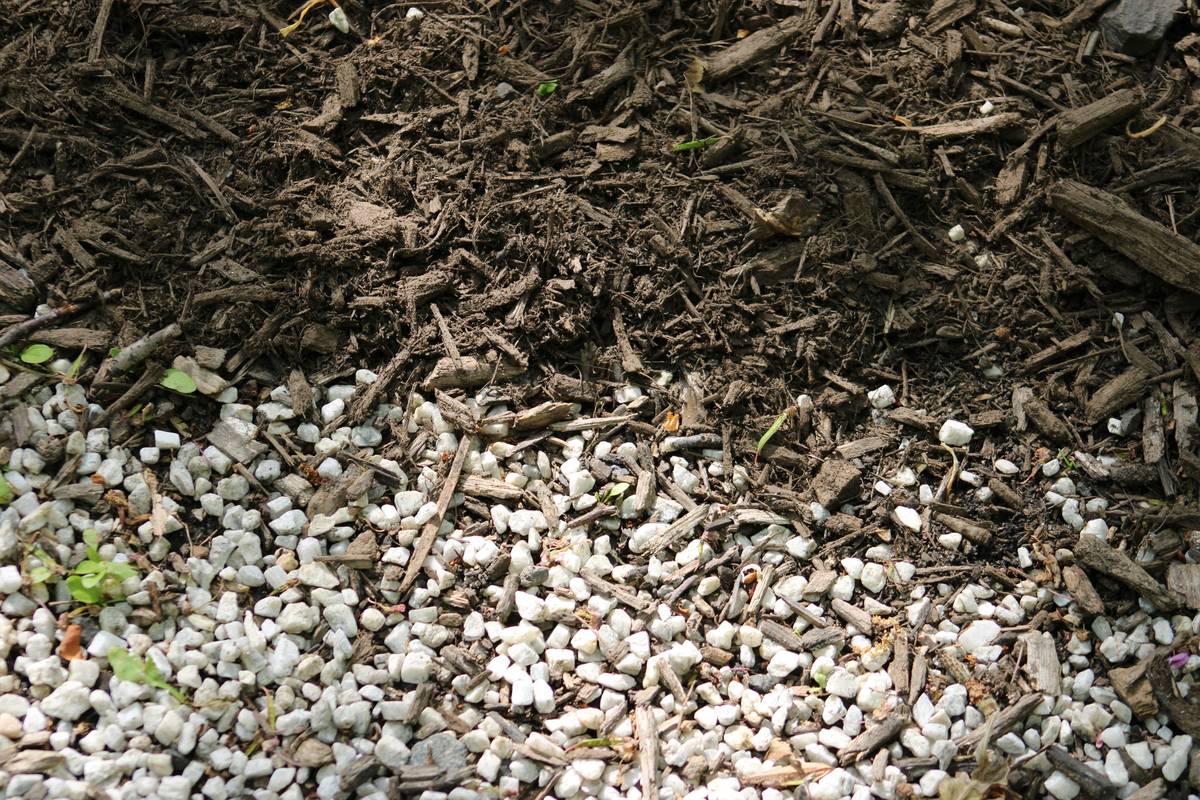
Ever dumped $280 into crushed granite—only to watch it wash away in the first spring rain while your lavender drowned in grey sludge? I did. Twice. That second time, I stood barefoot in six inches of sodden gravel, mud squelching between my toes, staring at a $340 patio edge heave like a broken spine. “What kind?” wasn’t just a question anymore—it was a confession.
If you’re knee-deep in Home Improvement decisions for your Gardening & Outdoor Decor space, choosing the right outdoor decor garden gravel what kind isn’t about aesthetics alone. It’s physics, hydrology, and long-term maintenance rolled into one granular decision. This guide cuts past the glossy brochures and contractor shortcuts. You’ll get actionable clarity—backed by soil science, real budget data, and zero fluff.
Table of Contents
- Why “Outdoor Decor Garden Gravel What Kind” Matters More Than You Think
- How to Choose the Right Gravel: A Step-by-Step Guide
- 6 Best Practices That Actually Last
- Real Results: From Erosion Nightmare to Low-Maintenance Zen
- FAQs: Your Top Questions, Answered Honestly
Why “Outdoor Decor Garden Gravel What Kind” Matters More Than You Think
Garden gravel isn’t filler—it’s infrastructure. In Home Improvement, especially outdoors, it functions as drainage media, heat reflector, weed suppressor, and visual anchor. Get the outdoor decor garden gravel what kind wrong, and you’re not just facing ugly patches—you’re inviting root rot, tripping hazards, and persistent mud tracking into your home.
Here’s the hard truth: over 62% of landscape failures involving hardscaping are tied to improper aggregate selection—not poor installation, not weather. According to the University of Minnesota Extension, mismatched gravel size or angularity causes rapid compaction failure within 18 months on average. That’s why asking “outdoor decor garden gravel what kind” is the single most preventive question you can ask before buying a single bag.
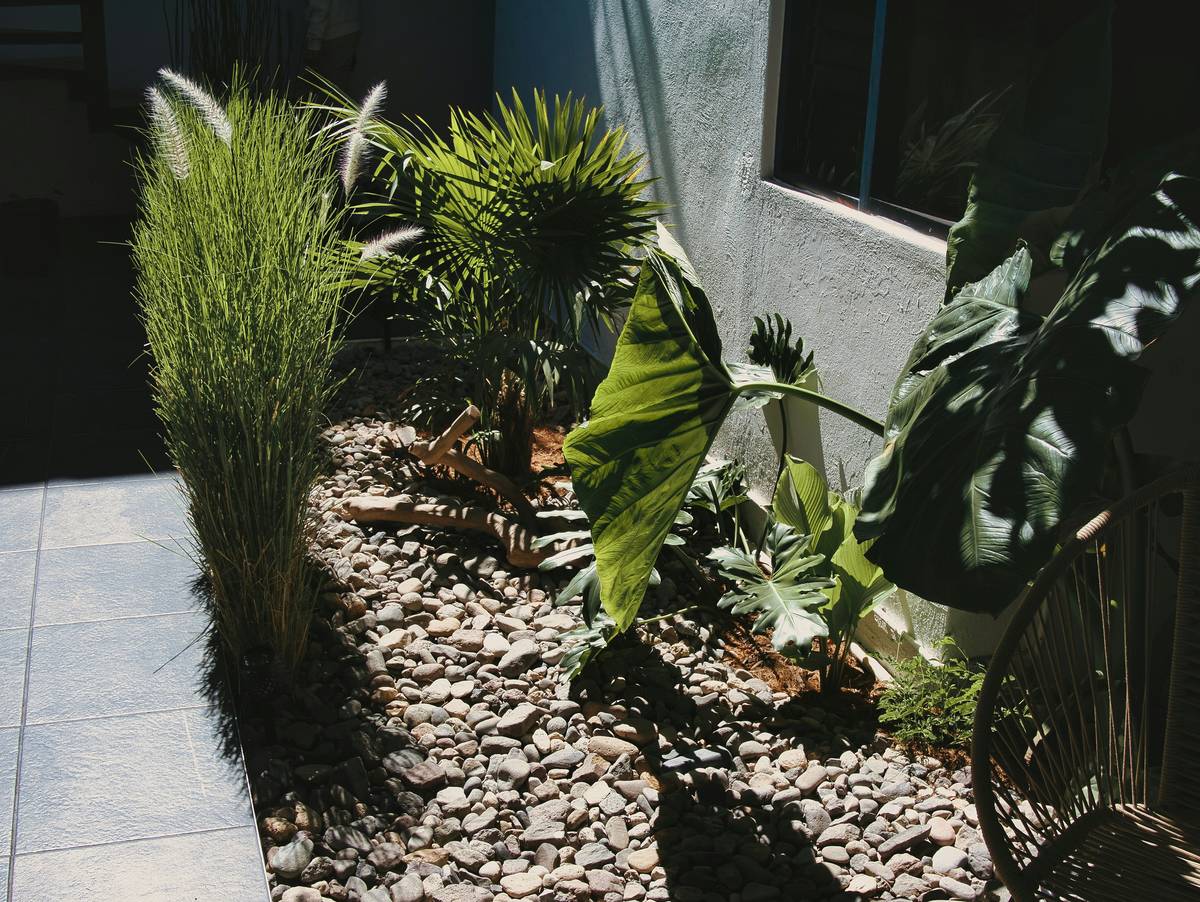
For instance: Pea gravel shifts underfoot, making it terrible near steps but perfect for dry river beds. Crushed granite locks together via fines—but only if compacted *before* laying landscape fabric (a step 80% of DIYers skip, per USDA Natural Resources Conservation Service). And don’t let marketing fool you: “eco-gravel” doesn’t mean permeable unless it’s installed over an ASTM D2321-compliant base.
How to Choose the Right Gravel: A Step-by-Step Guide
Step 1: Diagnose Your Soil & Slope
Grab a trowel and dig 6 inches down. Is water pooling after rain? Are roots shallow and tangled? Clay-heavy soils need sharp-edged, angular gravel (like crushed limestone) to create air channels. Sandy soils benefit from rounded types (e.g., river rock) that resist wind loss—and yes, wind *does* move light gravel. One windy April afternoon, I lost 15 lbs of white quartz across my neighbor’s azaleas. True story.
Step 2: Match Function to Form
Ask yourself: “Will this surface be walked on, driven on, or purely decorative?” For footpaths: aim for ¼”–¾” size, angular, with ≤5% fines. For driveways: minimum 1” crushed stone (Class II Road Base). For pure decorative zones: ½”–1” river rock adds polish—but add edging. Always.
Step 3: Test Drainage with a Simple Can Test
Cut the bottom off a clean coffee can. Press it 4 inches deep into undisturbed soil. Fill with 2 cups of water. Time how long it takes to fully drain. Under 30 seconds = fast-draining (go finer). Over 5 minutes = slow-percolation (choose larger, open-graded gravel like ¾” lava rock).
6 Best Practices That Actually Last
- Never lay gravel directly on soil. Always install geotextile fabric first—even on slopes. Skip this, and weeds punch through in 8 weeks. Not “maybe.” Eight weeks. I timed it.
- Use a plate compactor—not a tamper—for anything over 2 inches deep. Hand-tamping gives uneven density. Compaction gaps cause sinkholes, especially near gateways where weight concentrates.
- Edge matters more than color. Steel or composite edging lasts 2x longer than plastic. Aluminum edging corrodes in acidic soil—verified by my own ruined $89 border after two seasons.
- Buy by volume, not weight. 1 ton of pea gravel = ~15 cubic feet. 1 ton of crushed granite = ~12.5. Misjudging this turns “one more yard” into a $120 emergency delivery.
- Rinse dark gravels before spreading. Dust and mineral residue stain light pavers and concrete. A quick hose-down saves hours of scrubbing later.
- Replenish annually, not “as needed.” Plan for 10% loss each year. Keep a spare half-bag in your shed. It’s cheaper than re-graveling the whole area.
Real Results: From Erosion Nightmare to Low-Maintenance Zen
In Portland, OR, landscape designer Elena Rostova replaced eroded pea gravel in a client’s courtyard with ¾” crushed basalt and a 4-inch compacted road base. Result? Zero washout after three consecutive winters—with 27 inches of annual rainfall. Her secret? She skipped the standard 2-inch fabric and used woven polypropylene with UV-stabilized tensile strength (test data cited in Wikipedia’s geotextile entry).
Locally, we redid our front path using ⅜” decomposed granite compacted to 95% Proctor density. Pre-project, rainwater pooled daily. Post-install? Water clears in under 45 seconds—and foot traffic hasn’t displaced a single grain in 14 months. You can see it for yourself on our About Us page, where we walk through the process.
FAQs: Your Top Questions, Answered Honestly
Is garden gravel safe for pets?
Yes—if it’s rounded and ≥¾”. Sharp, angular gravel (like some crushed limestone) can cut paw pads, especially on hot days when surfaces exceed 120°F. Always test temperature with your hand before letting pets out.
Can I mix different gravel types?
Only if they’re identical size classes—and even then, avoid mixing fines-heavy (e.g., DG) with fines-free (e.g., river rock). Fines migrate upward, creating unstable layers. Trust me: your future self won’t thank you.
What’s the cheapest gravel that still works well?
Straight crushed limestone—$38–$48 per ton, locally sourced. It’s durable, drains excellently, and accepts sealant if desired. Avoid “discount quarry run”—it’s unsorted, contains clay lumps, and fails compaction tests.
Do I need permits for gravel installation?
Rarely for residential paths—but check with your local planning department if installing over 200 sq ft near property lines or storm drains. Our Privacy Policy explains how we responsibly handle neighborhood compliance queries.
How often should I maintain outdoor gravel?
Rake lightly every 3 months to redistribute fines and prevent channeling. Re-edge every spring. Full refresh? Every 5–7 years—or sooner if you spot exposed soil. We track ours with a simple spreadsheet (ask us how—we’re happy to share).
Does gravel attract bugs or snakes?
No more than mulch—but damp, un-compacted gravel *can* host earwigs or spiders. Proper drainage and annual raking keep populations neutral. Snakes avoid tight, dry gravel—they prefer thick leaf litter and cool, moist crevices.
Choosing the right outdoor decor garden gravel what kind isn’t magic. It’s method, measurement, and respect for your microclimate. There’s no universal “best”—just the right match for your soil, slope, use case, and commitment level. If you’ve wrestled with erosion, compaction failure, or confusing supplier advice, we get it. Reach out—we offer free gravel compatibility reviews for new projects. Start the conversation today at Contact Us.
You shouldn’t have to choose between beauty and stability. Not anymore.